Potty Training Without the Power Struggles: A Providers Guide to Stress-Free Potty Training
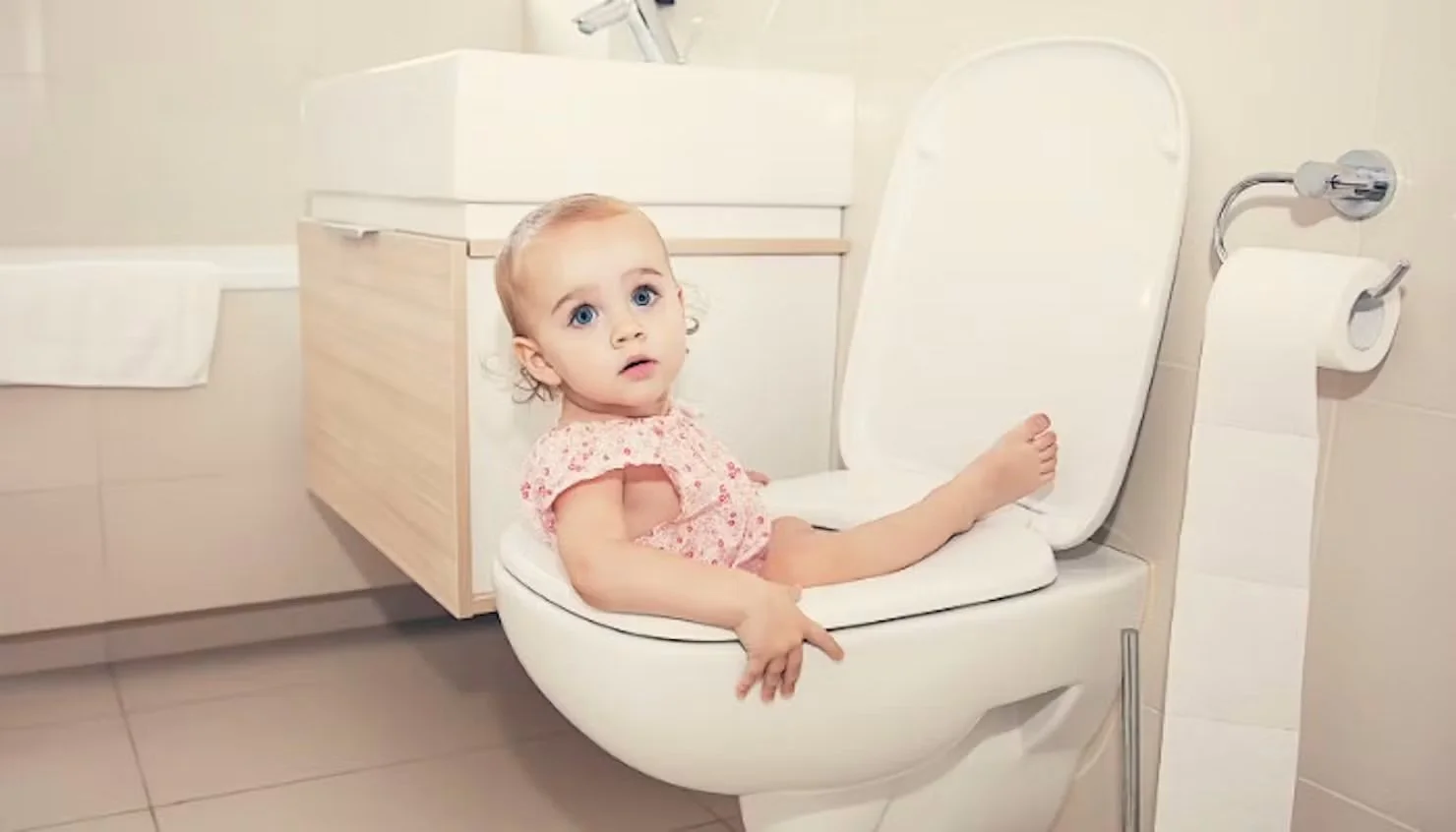
There is a specific milestone in early childhood that fills parents with a unique blend of absolute excitement and pure dread: potty training.
On one hand, you are ready to stop burning money on diapers. On the other hand, you are terrified of the inevitable accidents, the public bathroom meltdowns, and the looming fear of ruining your carpets. You’ve probably read the conflicting books promising a "3-day miracle" and ended up feeling like a complete failure when your toddler stubbornly refuses to sit on the porcelain throne.
As a childcare provider who has successfully potty trained hundreds of toddlers across commercial daycare centers and my own in-home daycare, I am here to drop a truth bomb: Potty training is not a race, and it is not a test of your parenting worth.
It is a developmental milestone that requires biological readiness, clear boundaries, and relentless consistency.
1. The Big Mistake: Training Before They Are Ready
The absolute fastest way to end up in a month-long power struggle is to force potty training based on an arbitrary age or calendar date rather than actual biological readiness.
If their nervous system and bladder muscles aren't physically ready, no amount of bribes, stickers, or timers will make it click. Look for these four definitive signs of readiness before you ever ditch the diapers:
Physical Awareness: They can tell you (verbally or through hiding in a corner) exactly when they are filling their diaper.
Staying Dry: They can stay completely dry for at least two hours at a time or wake up dry from a nap. This shows their bladder capacity is mature enough.
Basic Independence: They can pull their own pants down and push them back up without throwing a tantrum.
Intrinsic Interest: They actively follow you into the bathroom, ask questions about the toilet, or show a genuine desire to wear "big kid" underwear.
If your child doesn't show at least a few of these signs, put the training potty away for a month. Pushing too early creates anxiety, causing toddlers to deliberately hold their stool or urine, which leads to painful constipation and major setbacks.
2. The Golden Rule: Throw Away the Pull-Ups
If you take only one piece of advice from this post, let it be this: Once you officially start potty training, pull-ups are completely banned during awake hours.
Parents love pull-ups because they feel like a safe, mess-free safety net. But to a toddler's brain and nervous system, a pull-up is literally just a diaper with a cooler name. It is designed to instantly absorb moisture, meaning your child never experiences the uncomfortable sensation of being wet.
The moment you decide to train, you commit 100% to real underwear.
They need to feel the natural consequence of an accident. If they pee in underwear, it runs down their leg, it feels cold, and it disrupts their play. That mild discomfort is the exact biological trigger their brain needs to connect the urge to pee with the actual toilet.
Now, I know what you’re thinking: “Abby, I love my living room rug, and I am not trying to get my couch professionally cleaned every Tuesday.” I hear you! The secret here is to invest in thicker, padded potty training underwear.
These are made of thick cotton layers that absorb enough of the liquid to protect your carpet and furniture from a total disaster, but—crucially—they do not contain the chemical absorption tech of a diaper. Your child will still feel the cold, heavy wetness against their skin. That mild discomfort is the exact biological trigger their brain needs to connect the urge to pee with the actual toilet.
Here are the best training underwear!
The only acceptable exceptions to this rule are naps and nighttime sleep. Bladder control while unconscious is entirely hormonal and takes much longer to mature. Put them in a pull-up or diaper for sleep, but the absolute second they wake up, it goes right in the trash, and the underwear goes back on. No exceptions, no excuses.
Here are the best Night Time Pull Ups for boys!
Here are the best Night Time Pull Ups for girls!
Side Note: I am normally the last person to label things 'for boys' or 'for girls'! But I have to be completely honest: this is one of those items where it is incredibly hard to find a genuinely gender-neutral option out there.
3. Ditch the Bribes, Build the Routine
Parents love to build elaborate reward charts packed with M&Ms, stickers, and toy prizes. While a tiny treat can jumpstart the initial excitement, relying heavily on bribes usually backfires. The moment the novelty wears off, the toddler negotiates for a bigger prize, turning the bathroom into a high-stakes business meeting.
Instead of bribing them for the output, focus entirely on building the routine.
In a daycare setting, we don't ask toddlers, "Do you want to use the potty?" Because a two-year-old's favorite word is always No. Instead, we establish non-negotiable potty transitions throughout the day.
We sit on the potty right when we wake up.
We sit on the potty before we go outside.
We sit on the potty before naptime.
By weaving it seamlessly into the daily schedule, using the toilet becomes as normal and boring as washing hands or putting on shoes. There is no argument because it’s just what we do at this time of day.
4. Burn the Tiny Plastic Potties (Use a Seat Attachment Instead)
Parents love buying those adorable, character-themed miniature plastic potties that sit on the bathroom floor. Some of them even play a royal fanfare music track when your kid pees.
Let me save you some money and a lifetime of disgust: Don't buy them.
First of all, they are a sanitation nightmare. Someone has to dump that tiny bowl of toddler pee into the real toilet, rinse it out in your bathroom sink, and scrub it daily. No thank you. I manage a daycare, not a biological hazard containment zone.
Second, and more importantly, they set your child up for a massive reality shock. There are no miniature musical singing toilets at Target, the local park, or your favorite restaurant. If your toddler only learns how to handle their business on a tiny plastic toy at home, they are going to lose their absolute mind when they are forced to stare down a roaring, echoing, industrial-sized public toilet.
Save your cash and buy a simple, cheap toilet seat attachment that pops right onto your actual porcelain throne. Throw in a sturdy step stool so their feet can rest flat, and boom—you're done. They learn to respect the real toilet from day one, and you never have to carry a bowl of toddler waste across your hallway.
Here is the exact seat attachment I use for my in-home daycare!
Here is the exact step stool I use for my in-home daycare!
5. Keep Your Emotions a Flat Line
Toddlers are emotional chameleons. If you get incredibly anxious, tense, or frustrated during an accident, they absorb that stress and associate the toilet with fear. Conversely, if you throw a massive, crying celebration dance every time they pee, you create a high-pressure environment where they feel immense shame if they have an accident later.
When it comes to potty training, your emotional energy needs to be a flat line. You want to be a calm, loving, boring brick wall.
When they succeed: "Great job listening to your body. Let's flush and wash hands." (Keep it encouraging, but casual.)
When they have an accident: "Oops, your pants are wet. That's okay, pee goes in the potty. Let's go change." (Zero anger, zero lectures, zero shame.)
Have them actively help you change their clothes and put the wet laundry in the bin. This isn't a punishment; it’s a logical, natural consequence that teaches them that staying wet takes time away from playing.
The Daycare Collaboration
If your child attends daycare or preschool, the golden rule of potty training is absolute alignment. Do not train them naked at home all weekend and then send them to school in a pull-up on Monday morning. It completely scrambles their expectations.
Talk to your child's caregiver. Ask what their bathroom routine looks like, match their phrasing, and make sure you are both using the exact same approach. When home and daycare form a united front, your toddler will ditch the diapers faster than you ever thought possible.