Open-Ended, Screen-Free Toddler Activities

If you have ever handed your toddler a tablet or turned on a bright, flashing television show just so you could wash the dishes, drink a hot cup of coffee, or simply breathe in silence for fifteen minutes—let yourself off the hook right now.
Survival mode is real. Modern parenting is exhausting, and screens are the easiest digital babysitter available.
But as a childcare provider who has worked in large commercial centers and run my own in-home daycare, I am here to let you in on a massive industry secret: Most daycare classrooms routinely go 8 to 10 hours a day completely screen-free, and the children do not spend the day screaming. In fact, they are often calmer, more focused, and much better at independent play than they are at home.
When you remove the constant dopamine hits of flashing screens and noisy, battery-operated toys, a toddler's nervous system naturally regulates. Their attention span expands, and they discover the lost art of independent play.
If you are ready to cut the digital cord and reset your home environment, you don’t need an elaborate Pinterest schedule. You just need a few daycare-tested, low-stim strategies that actually work.
1. The Real Reason Screen-Free Time Fails at Home
Most parents decide to go screen-free cold turkey, turn off the TV, and immediately face a wall of absolute toddler fury. They last about twenty minutes before giving in, assuming their kid just can't do screen-free time.
Here is what went wrong: You didn’t replace the screen; you just left a void.
When a child is used to the high-stimulus, rapid-fire pacing of modern digital media, regular life feels incredibly boring by comparison. Their brains are experiencing a literal dopamine withdrawal.
To make screen-free activities work, you have to transition them into open-ended, tactile experiences that engage their senses without overwhelming their nervous systems. You don’t need to entertain them; you just need to set the stage.
2. Daycare-Tested Screen-Free Activities That Actually Hold Their Attention
When the screens go off in a childcare setting, we rely on high-engagement, low-stimulation tasks. Here are the four absolute best categories to introduce at home:
🧩 The "Invitation to Create" (Sensory Bins)
Toddlers are sensory creatures. If you want them to sit still for more than five minutes, you have to engage their hands. Daycares rely heavily on sensory bins because they encourage deep, quiet concentration.
How to do it at home: Take a large plastic storage tub and fill it with dry uncooked rice, oats, pasta noodles, sand, or water. Drop in a few measuring cups, spoons, and small plastic animals or cars.
The Rule: Do not give them a goal. Do not say, "Build a house." Just let them scoop, pour, and dump. The repetitive motion is incredibly soothing to a dysregulated nervous system.
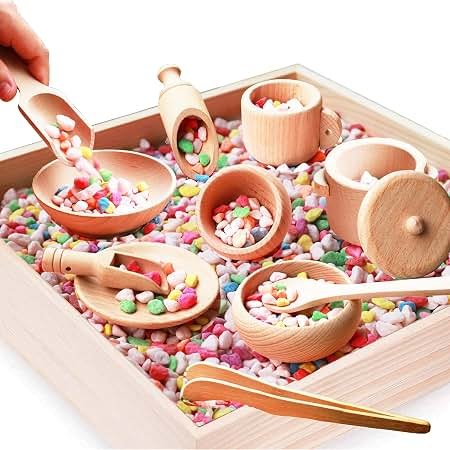
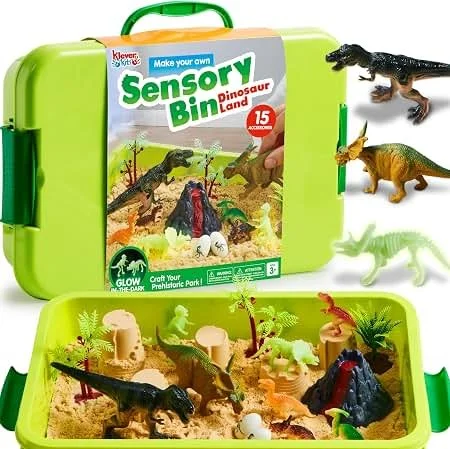
Sensory bins can 100% be made with plastic storage containers on the floor, but here are some other great options for more of a mess-free play with alternative uses!
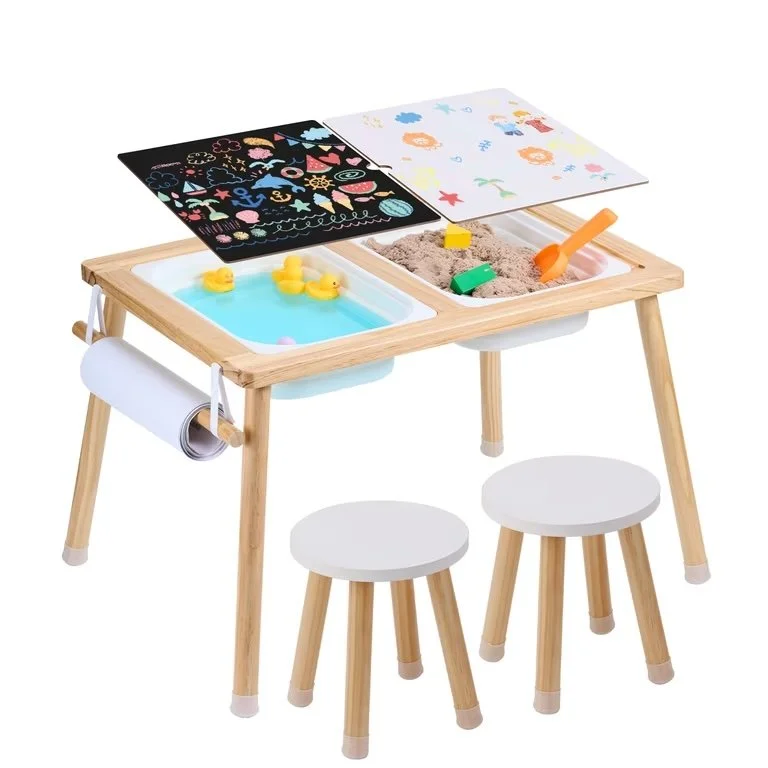
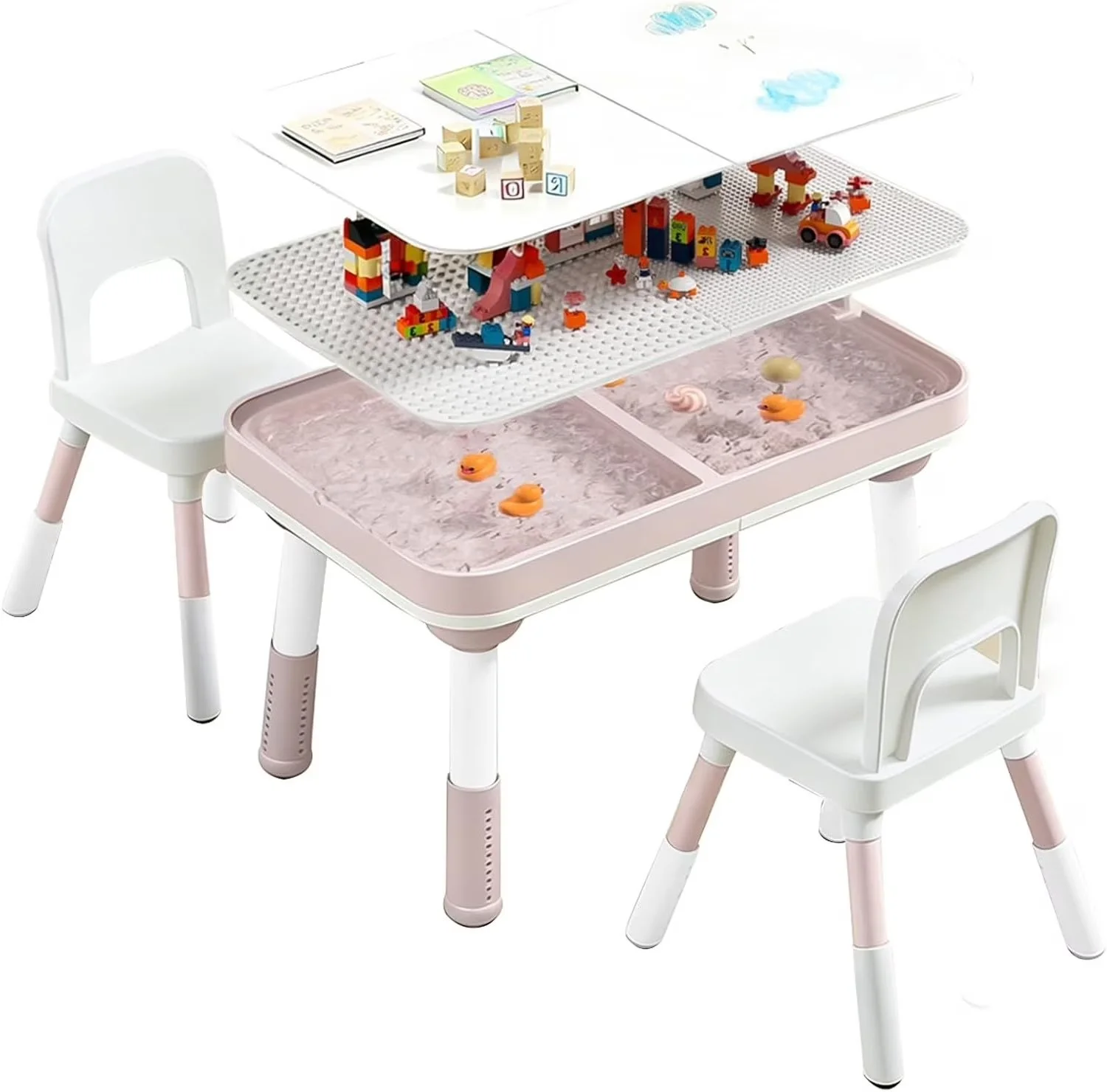
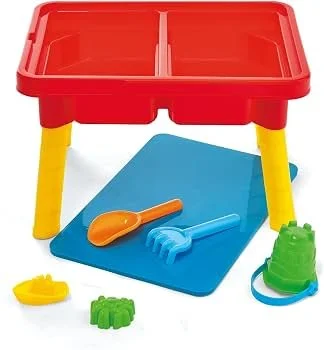
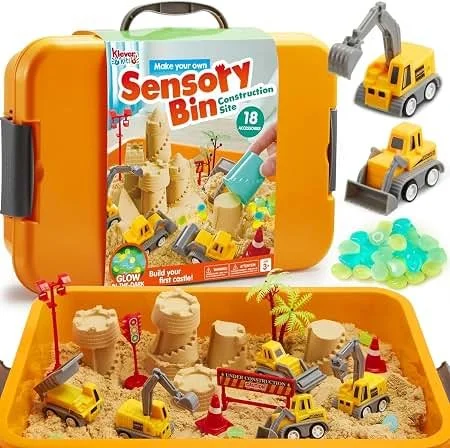
I’ll be honest, I’m personally not the most creative person in the world. If you’re like me, and don’t know what in the world to fill your sensory bins with, here are some cool kits that come with everything you need!
📦 The Magic of Deconstructed Cardboard Boxes
You can spend fifty dollars on a plastic toy that plays loud music, and your toddler will still play with the shipping box it came in. Lean into it.
How to do it at home: Keep large delivery boxes. Flatten them out on the kitchen floor or leave them intact as a fort. Hand your child a box of washable markers or stickers and let them go to town drawing all over the cardboard.
Why it works: It is completely unscripted. It allows them to use gross motor skills (reaching, crawling inside) alongside fine motor skills (drawing, peeling stickers) without any flashing lights telling them how to play.
🌊 The "Sink or Tub" Hack
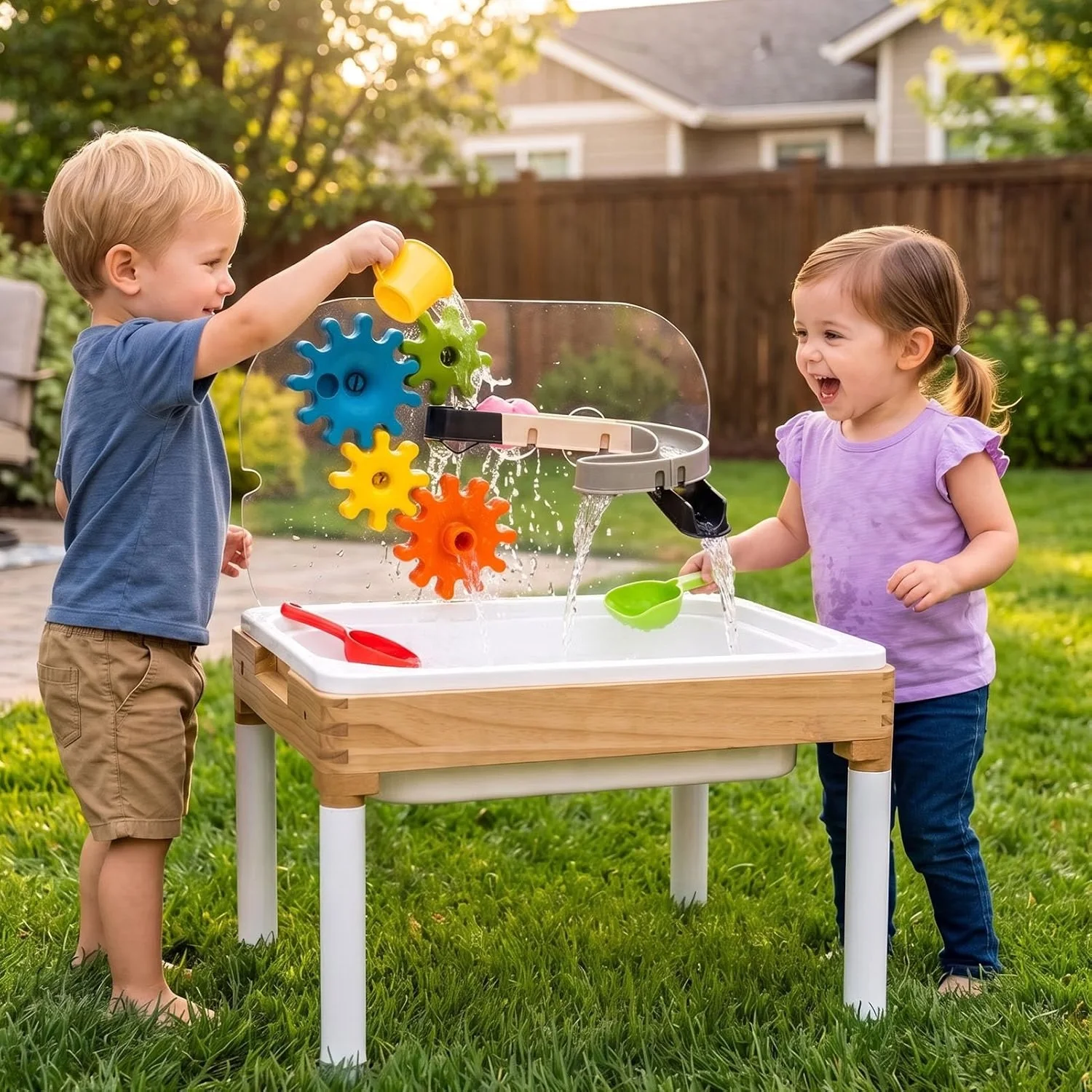
Water is the ultimate toddler reset button. In the childcare world, if a room is getting chaotic and a storm is brewing, we add water.
How to do it at home: Basically following the same steps as the sensory bins, but with water! Give them plastic cups, sponges, and whisks. Alternatively, put them in a midday bubble bath with absolutely no intention of washing them—just let them play with plastic bowls and tupperware containers.
Why it works: Water play regulates a child’s sensory system almost instantly. It shifts their focus from an emotional meltdown to physical exploration.
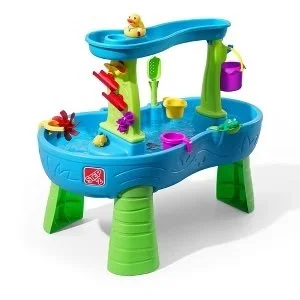
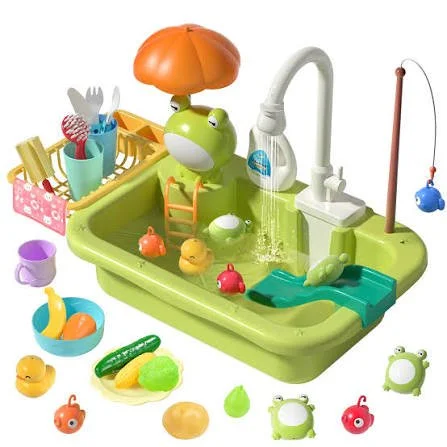
Again, this can easily be set up using plastic containers or even your bathtub! But if you’re like me and love going the extra mile for your kiddos, here’s some great options for water play!
📚 The Low-Level Audio Trick
If your child is addicted to the background noise of a television, switching to absolute silence can feel jarring to them.
How to do it at home: Invest in a simple, screen-free audio player (like a Yoto or Toniebox) or just play soft, lyrical acoustic music or audiobooks through a smart speaker.
Why it works: They get the comfort of auditory storytelling or music, but their eyes are free to roam the room, engage with their toys, and build independent play skills without being physically locked onto a glowing screen.
3. The Shift Takes Time (Be a Boring Brick Wall)
When you first implement a screen-free boundary, your child will likely complain that they are bored.
Let them be bored.
Boredom is the absolute birthplace of imagination. If you immediately rush in to act as a cruise director and entertain them the second they complain, they will never learn to self-regulate.
Get down on their level, offer one of the tactile setups above, and then quietly step back to manage your own day. When you create a low-stimulation environment and hold the boundary with absolute consistency, your child's brain will adapt. They will stop looking at the wall where the television hangs, pick up a classic block or a book, and finally learn to play on their own terms.