What Your Child’s Caregiver Wishes You Knew About Morning Separation Anxiety
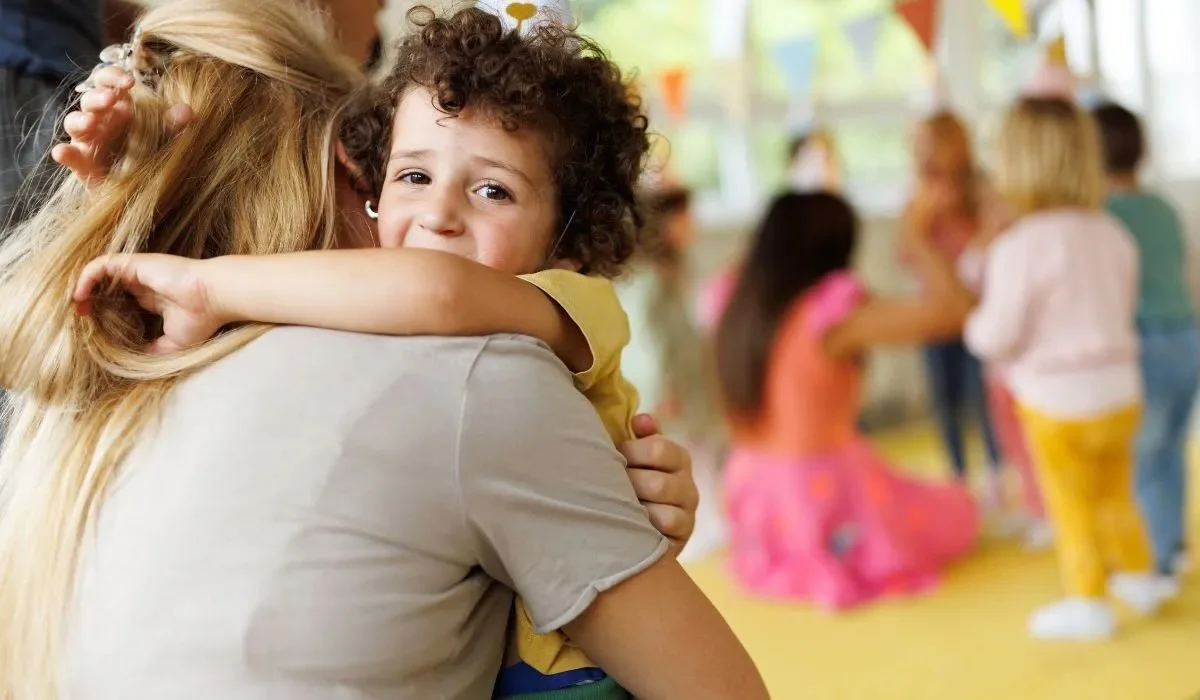
It is the exact same scene played out in every daycare lobby, Monday through Friday.
A parent is kneeling on the floor, locked in a tight embrace with a sobbing two-year-old. The parent is visibly stressed, whispering, “It’s okay, sweetie, Mommy loves you, I’ll be back soon, I promise, just one more hug.” Every time the parent tries to peel themselves away, the toddler screams louder, wrapping their arms around their neck like a koala bear. The parent looks up at the teacher with absolute heartbreak and guilt written all over their face, completely paralyzed.
If you have ever been this parent, please let yourself off the hook right now. You are operating on pure, beautiful parental instinct. You love your child, and your brain is wired to soothe their distress.
But as a childcare provider who has managed morning drop-offs for hundreds of children across commercial centers and my own in-home daycare, I am here to give you a dose of loving, no-nonsense truth: By dragging out your goodbyes, you are accidentally making your child’s anxiety ten times worse.
I get it. Walking away from your crying child feels like voluntarily ripping your own heart out and leaving it in a daycare cubby.
But as a toddler room veteran, I am begging you: keep the goodbyes quick and seamless. When you linger at the door for “just one more hug” or peek through the window like a parenting secret agent, you aren't comforting them—you are just stretching out the painful part.
Think of separation anxiety like a band-aid. A swift rip hurts for a second, but then it’s over. Lingering is like peeling that band-aid off one microscopic hair at a time. The absolute second you step out of sight, their brain shifts from “convince mom to stay” to “oh look, bubbles!”
Trust your provider, make your exit clean, and promise yourself a massive coffee at the end of it. They will literally be playing with blocks before you even put your car in reverse.
The Psychology of the "Long Goodbye"
When your child is screaming at drop-off, it feels like they are genuinely terrified of being left behind. But structurally, that isn’t what is happening. What they are actually reacting to is the emotional hesitation coming from you.
Dragging out the goodbye doesn't soothe them; it simply prolongs the high-stress transition phase. You are keeping their nervous system trapped in fight-or-flight mode right at the door.
The moment the parent is completely gone, the "performance" aspect of the tantrum ends. The child realizes the transition is over, their nervous system drops back down to a flat line, and they naturally pivot.
The 2-Minute Drop-Off Blueprint
If you are ready to rewrite your morning routine and build real resilience in your child, you need to implement a firm, repeatable, low-stimulation drop-off plan. Here is the exact blueprint we use in daycare:
🎒 Prep the Transition in the Car
Do not wait until you are standing in the classroom doorway to say your goodbyes. Give them a clear roadmap on the drive over. Say: "We are almost at school! When we get inside, I am going to put your backpack in your cubby, give you one big hug, and then I am going to head to work. Your teacher is excited to see you today."
🚪 Create a Direct, Unemotional Routine
Walk into the building with a confident, bright posture. Let your child see that you trust this environment completely. Keep your voice light and normal. Help them hang up their jacket, look them in the eye at their level, and give them one meaningful hug and kiss.
🧱 Be a Loving, Boring Brick Wall
Issue your final, reassuring script, and then physically leave. Do not turn around. Do not look back through the window. Do not linger to peek through the viewing glass if your child can see you.
"I love you, you are safe, and I will always come back after naptime. Have a great day!"
Even if they are crying as the teacher takes their hand, keep walking. Your confident exit signals to their brain that they are completely safe and that you have absolute faith in their ability to handle the day.
Partners in Resilience
Developing separation anxiety is a completely normal, healthy developmental milestone. It proves your child has a deep, secure attachment to you. But your job as their leader isn't to protect them from every single uncomfortable transition—it is to coach them through it.
Form a united front with your childcare provider. Trust their expertise, keep your goodbyes short and sweet, and watch how quickly your chaotic mornings transform into proud, independent drop-offs.