Stop Saying You’d Die for Your Kids If You Won't Change These 5 Habits
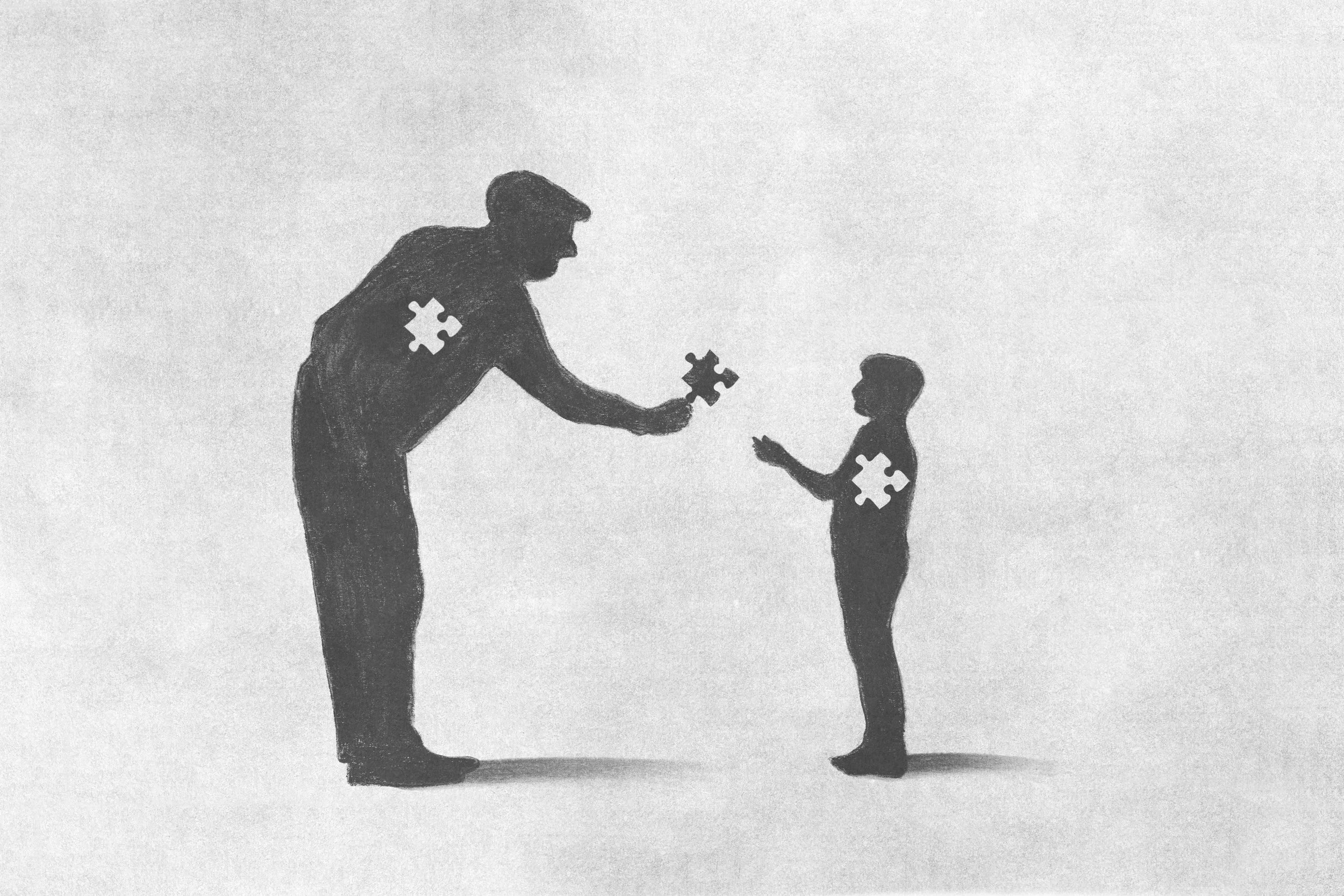
We’ve all heard it. In fact, you’ve probably said it yourself: “I would die for my children.”
It’s the ultimate statement of parental devotion. It sounds heroic, romantic, and fierce. But if we are being completely honest with ourselves; saying you would die for your kids is actually the easy part. It’s a grand, hypothetical gesture.
The real question—the one that actually matters to your child's future—is: Would you change the way you live for them?
Living better is a lot quieter than dying. It doesn’t come with a dramatic movie soundtrack. It’s boring, it’s repetitive, and it requires active willpower every single day. But those quiet, daily choices are exactly what your children will actually feel, absorb, and replicate.
If you want to raise resilient, healthy, and emotionally secure kids, you have to stop focusing on the abstract sacrifices and start looking at your daily habits. Here are five hard choices you need to start making for your children today.
1. Stop Eating Fast Food for Them
Children do not learn nutrition from your lectures; they learn it directly from your plate.
If you are constantly ordering takeout while handing your toddler a plate of organic broccoli, you are fighting a losing battle. Ultra-processed foods are designed to hijack the brain and metabolism, training young minds to crave junk early in life.
You don't need to be a gourmet chef. Just cook simple, whole meals at home. Eat together. Let them see you eating real food. Your everyday habits automatically become their baseline for what "normal" eating looks like.
2. Get in Shape for Them
Let’s ditch the vanity metrics: getting in shape isn't about fitting into a certain clothing size. It's about your energy levels.
Your physical health dictates how present, patient, and playful you can be with your kids. Chronic fatigue doesn't just make you tired; it actively drains your patience and limits your capacity for deep connection.
Move your body daily. Take walks, lift weights, chase them at the park, or stretch. Strong, energetic parents have the stamina to handle the chaos of raising kids—and they model a life of physical resilience.
3. Go to Bed Early for Them
We like to view sleep as a luxury, but in parenting, sleep is emotional regulation in disguise.
When you chronically stay up late scrolling or watching TV, you are setting yourself up for failure the next morning. Poor sleep fuels irritability, anxiety, and parental burnout. It shortens your fuse and makes you prone to snapping at minor inconveniences.
Choose a consistent bedtime and protect it fiercely. A well-rested, regulated parent creates a calm, safe environment at home. You owe it to your kids to wake up with a full emotional cup.
4. Put Your Phone Down for Them
Children measure love through one primary currency: attention.
When you are constantly scrolling while your child is trying to show you a drawing or tell you a story, you are teaching them a devastating lesson: the glowing screen comes first, and you come second.
Put the phone completely away during meals, dedicated playtime, and direct conversations. Your digital notifications can wait. True presence beats a "perfect" lifestyle every single time. Let them see your eyes, not the back of your phone case.
5. Stop Making Excuses for Them
True growth requires responsibility, accountability, and a little bit of discomfort.
When we over-protect our children from natural consequences or make excuses for their poor behavior, we aren't protecting them—we are handicapping them. Over-protection creates fragile adults who lack the basic skills to self-regulate when life gets tough.
Hold the line. Model daily routines, demand accountability, and coach them through difficult emotional moments instead of saving them from them. Your consistency today builds their confidence tomorrow.
You don’t need to be a flawless, robotic parent who never slips up. Perfection is an illusion, and your kids don't need it anyway.
What they do need is an intentional parent. They need someone who understands that the greatest gift you can give your children isn't a hypothetical act of martyrdom in the future. It's the disciplined, loving choice to live a healthier, more present life for them today.