5 Things a Daycare Owner Wishes Parents Knew

1) The Drop-Off Routine: The quicker the goodbye, the fewer the tears.

Look, I get it. Walking away from your crying child feels like voluntarily ripping your own heart out and leaving it in a daycare cubby. But as a toddler room veteran, I am begging you: keep the goodbyes quick and seamless. When you linger at the door for “just one more hug” or peek through the window like a parenting secret agent, you aren't comforting them—you are just stretching out the painful part. Think of separation anxiety like a band-aid. A swift rip hurts for a second, but then it’s over. Lingering is like peeling that band-aid off one microscopic hair at a time. The absolute second you step out of sight, their brain shifts from “convince mom to stay” to “oh look, bubbles!” Trust your provider, make your exit clean, and promise yourself a massive coffee at the end of it. They will literally be playing with blocks before you even put your car in reverse.
2) Label Absolutely Everything
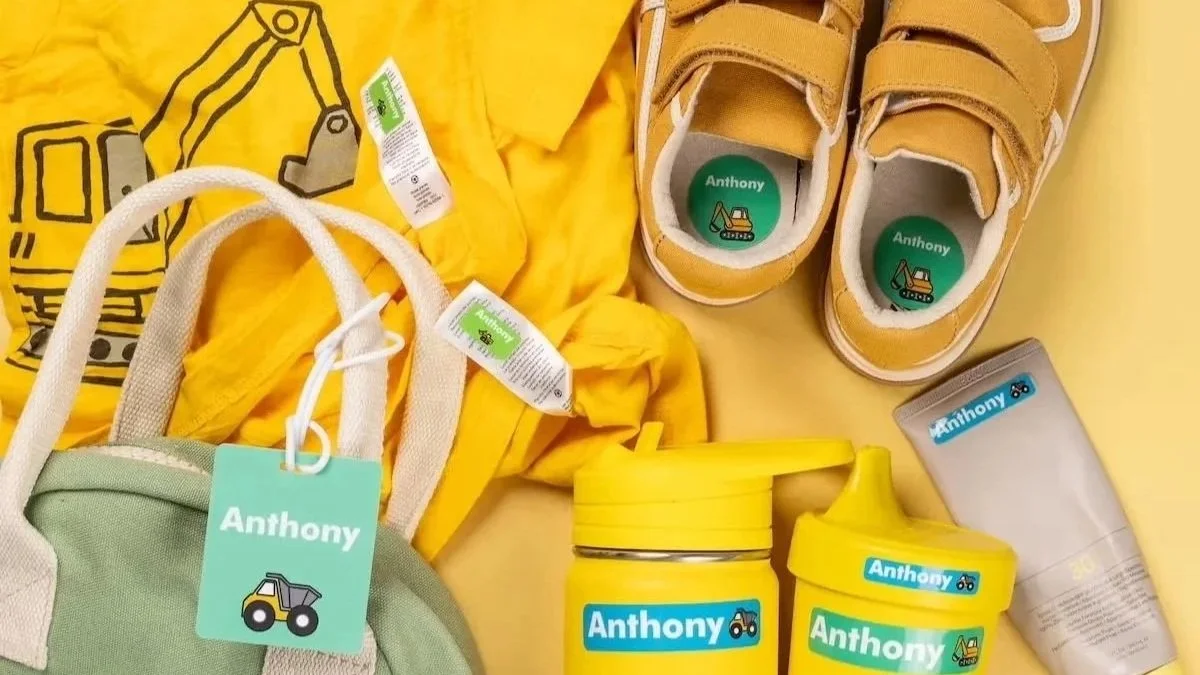
If you want to see a childcare provider age ten years in a single afternoon, just watch them try to figure out which child belongs to two completely identical, un-labeled, Walmart Bluey jackets. I call this the Daycare Coat Roulette, and the stakes are incredibly high. One chilly Tuesday, two different parents dropped off their child in the exact same Bluey jacket. While playing outside on the playground, those hoodies were thrown off and trampled in the grass. I spent forever trying to figure out which jacket belonged to whom based entirely on the level of dried food stuck to the sleeves and pure intuition. Just as I finally zipped one child up, their parent walked in and said, “oh no, that’s not ours, we forgot their jacket this morning.” Save your provider's remaining sanity: label absolutely everything. Sharpie it, stamp it, or buy those fancy custom stickers. If it can be removed, thrown, or bartered by a toddler, put a name on it. Otherwise, your child's favorite jacket will inevitably go home with someone else.
3) The Truth About Sick Policies
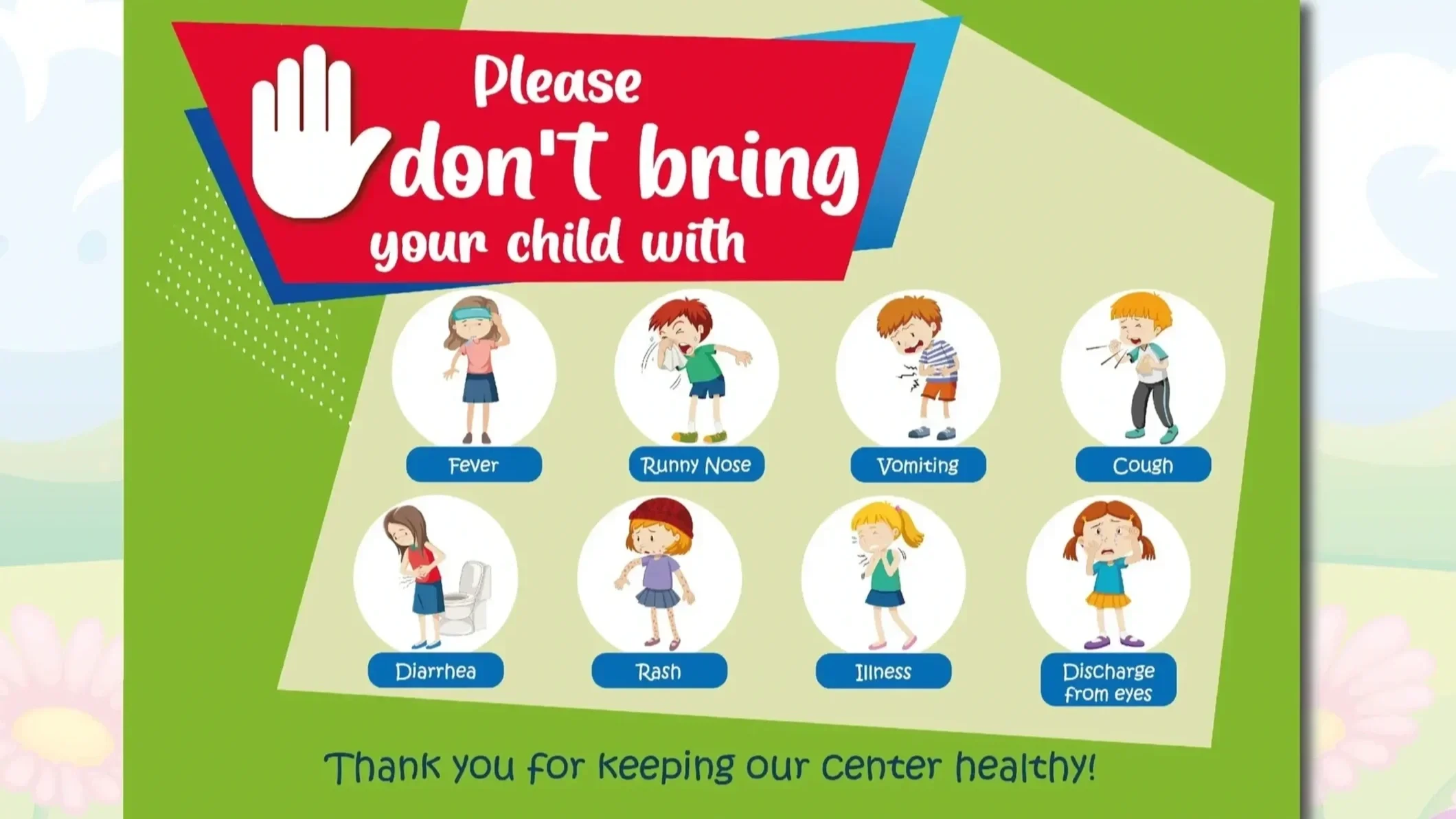
Let’s talk about the absolute touchiest subject in the entire childcare universe: the dreaded 3:00 PM “fever phone call.” Getting a text that your kid has a 101-degree temperature is the ultimate workday nightmare. Your boss is staring at you, your calendar is packed, and you have exactly zero backup options. But here is the unfiltered truth: strict daycare sick policies aren't there to punish working parents—they are the only thing keeping the whole circus alive.
In a commercial daycare center, one runny nose can wipe out an entire classroom of staff members in 48 hours, leaving the facility understaffed and legally unable to open. In an in-home daycare like mine, the stakes are even higher. If I catch your child's stomach bug, I can't call in a substitute. I have to close down completely. That means every single family in my care suddenly loses their childcare because of one patient. Providers and caregivers put aside, the other classmates with growing immune systems will also inevitably catch whatever goes around. It’s just a never-ending domino effect.
When we tell you a child needs to be 24-hour fever-and-vomit-free without the help of children's Tylenol, we aren't being rigid bureaucrats. We are trying to protect your child’s classmates, our own families, and your ability to go to work tomorrow. We are in this together, so let's agree to keep the mystery bugs at home!
4) How to Pack for Success
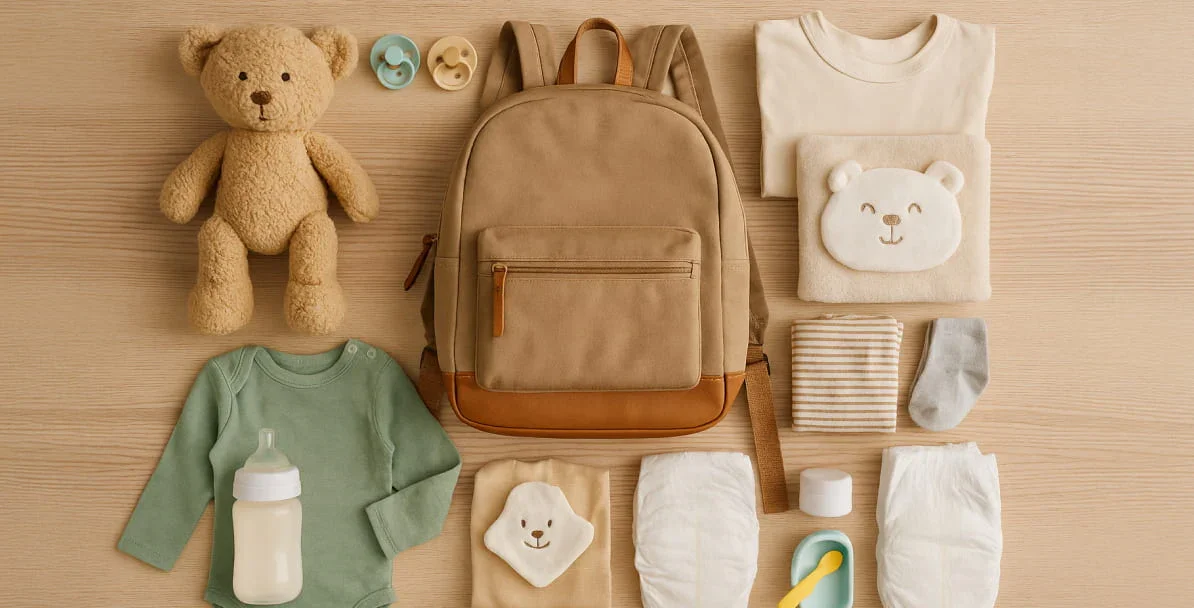
Now let’s talk about packing. If you think packing a daycare backpack for a two-year-old requires the same gear as a weekend getaway, I am here to politely burst that bubble. When it comes to daycare, less is always more, but the right “less” is a lifesaver.
Many well-meaning parents drop off bags that are packed for a luxury vacation. They include three different changes of designer outfits, a battery-operated singing toy that requires its own charging cable, and a gourmet snack assortment packed in an intricate glass bento box. Here is the reality: that giant bag is going to explode into a pile of clutter the second it hits the cubby, and those tiny singing toy pieces will be lost in the playroom vortex by 9:00 AM.
Packing for success means prioritizing two things: simplicity and replacements. All your provider actually needs is a steady supply of diapers or pull-ups, two pairs of plain 'stain-friendly' backup clothes (including socks!), a labeled water cup, and one dedicated nap time comfort item that stays at the daycare. Skip the toys from home and the complicated gear. A streamlined bag means your provider spends less time managing inventory and more time making sure your child doesn't eat the playground mulch.
5) We Are a Team

At the end of the day, here is the most important thing to remember: parents and providers are not on opposite sides of a fence—we are on the exact same team. In my policy book I actually state, “I believe caregivers should be seen as an extension of the family.” We both want your child to feel safe, loved, confident, and independent. When we ask you to label the water cups, make your goodbyes quick, or keep a sick kiddo home, it’s not because we are trying to make your hectic life harder. It’s because we are fiercely protecting the environment where your child grows. It takes a village to survive the childcare circus, and I am so incredibly honored to be part of so many. Now go take a deep breath, drink your coffee while it's actually hot, and let's conquer another week together!