How screen time is negatively affecting preschool children
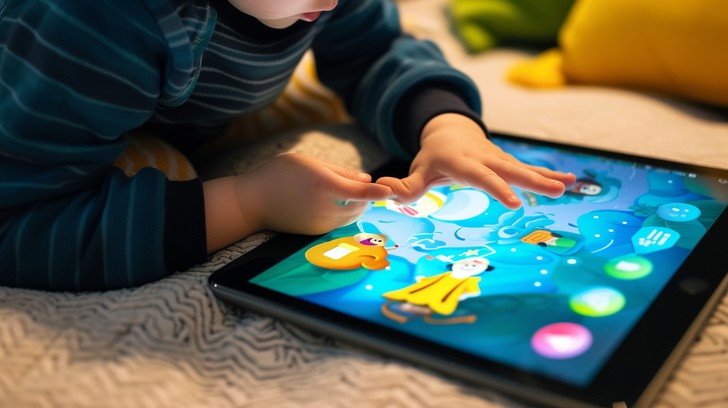
Let's be completely honest: every single one of us has used a screen as a digital babysitter just to go to the bathroom in peace. No shame, no judgment—I’ve been there too. But after years of working in daycare centers and running my own in-home daycare, I’m noticing a massive shift in our preschool classrooms, and we need to have a real talk about it. Screen time is fundamentally changing how our children's brains process the world, leading to shorter tempers, major attention crashes, and a complete loss of independent play skills. We don't need to throw our tablets into a bonfire, but we do need to look at what the data—and the daily classroom reality—is trying to tell us about how these devices are impacting our little ones.
Here’s what this looks like in every day life:
Meltdowns on steroids
When their brain is flooded with bright colors, fast cuts, and constant sound, it gets overstimulated. Turning it off feels like slamming on the brakes. Everything suddenly feels boring, slow, and hard to process.
Attention span of a goldfish
Screens move at lightening speed; real life doesn’t. That constant dopamine hit trains their brain to crave novelty. Which makes it harder to focus on slower, real-world play such as puzzles, books, or pretend games that build focus over time.
Short fuse, big reactions
When a screen is on, it does the emotional work for them. Pacing, tones, music, storylines. So, when the screens are off, they haven’t practiced handling frustration or disappointment on their own. The smallest “no” can feel like a huge threat because they’ve lost that regulation muscle.
Creativity on pause
Screens hand children ready made stories, images, and outcomes. That leaves less space for their own imagination.
Independent play? Forget it!
When entertainment is always one click away, boredom feels unbearable. But boredom is where independent play and creativity originates.
Like I stated earlier, this is not a “no screens ever” mission; rather a “let’s get back in balance” mission! In the chaotic circus of modern parenting and childcare, screens are sometimes the only reason dinner gets cooked or a work call gets answered. But as a village, we have to start prioritizing active brains over passive screens. Your preschooler doesn’t need a perfectly curated, screen-free childhood—they just need boundaries, a little bit of boredom, and the chance to figure out how to play again. Start small, stay consistent, and remember that a toddler throwing a tantrum over a turned-off tablet is just a brain rewiring itself for real-world connection. We are in this together, so hide that remote and let’s help these kids reclaim their imagination!