Daycare centers vs In-home daycare; and how to choose the right fit for your child
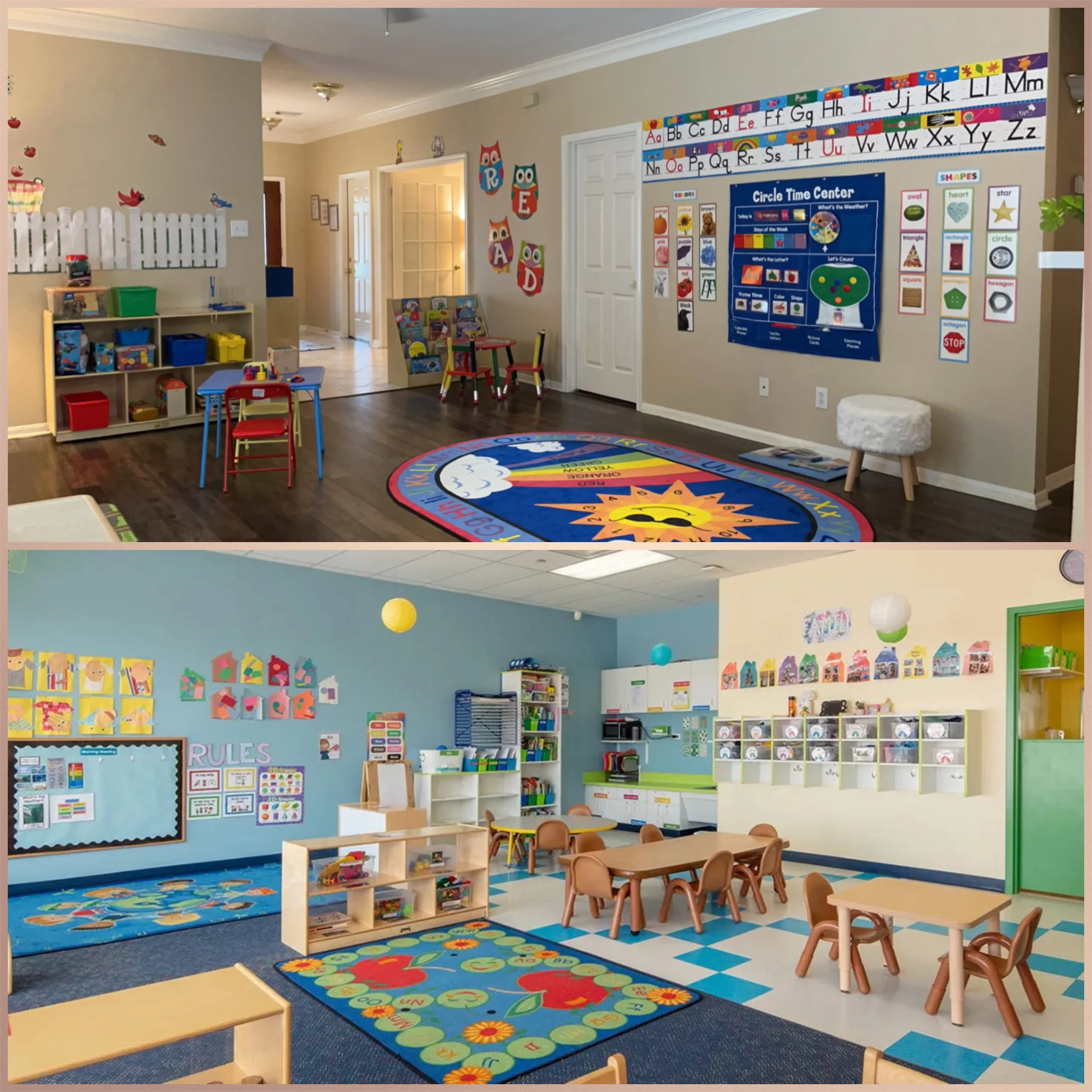
If you want to spark an absolute civil war in a local parenting Facebook group, just ask whether a commercial daycare center or an in-home daycare is better. Everyone has a passionate opinion, and the conflicting advice is enough to make any parent's head spin. But as someone who spent five years working in a bustling commercial center and the last four years running my own cozy in-home daycare, I am here to tell you a secret: there is no single 'right' answer—there is only the right fit for your specific child and lifestyle. Pull up a chair and let's break down the raw pros and cons of both worlds, from socialization and strict schedules to family vibes and financial realities, so you can make your choice with total confidence.
What is an in-home daycare?
An in-home daycare is child care that’s provided in a professional caregiver’s home. This means your child is cared for in a home-like setting, rather than the more institutional setting of a child care center. There are three different types of in-home daycares. Licensed, registered, and listed.
According to the state of Texas:
Licensed in-home daycares: are licensed by the state, can care for up to 12 children, Requires at least one unannounced monitoring inspection per year by Child Care Regulation, providers require 30 clock hours of annual child care training, In addition to background checks and training, providers must carry liability insurance, and complete pre-application courses. The home must also be in compliance with the minimum standards for Licensed and Registered in-home daycare centers.
Registered in-home daycares: have a registered permit (not license), can care for up to 6 children, receive at least one unannounced monitoring inspection by Child Care Regulation every 1-2 years, and require less annual training. The home must also be in compliance with the minimum standards for Licensed and Registered in-home daycare centers.
Listed Family in-home daycares: have a listed permit (not license), can care for up to 3 children, is not routinely inspected unless CCR receives a report, and no annual training is required.
What is a daycare center?
A daycare center is licensed child care that is run out of a facility that is either privately owned or operated by a non-profit organization, like a church, school or the government.
What are the pros?
|
Daycare Center |
In-Home Daycare |
|---|---|
|
Multiple child care providers: If one teacher is sick and unable to provide care, additional teachers can fill in so that parents aren’t left without a backup plan. |
Smaller caregiver-to-child ratios. More individual attention. Child also remains with the same caregiver for duration of enrollment. |
|
Mandated health and safety protocols and procedures. |
Highly individualized care for infants and small children. |
|
Specific requirements for hiring, training and certifying employees. |
Fewer germs: Because there are fewer children, your child may be exposed to fewer illnesses. |
| Age-based socialization, classrooms and education opportunities. |
Siblings can remain together |
| More structured schedule and school-like environment, which may be beneficial for older preschoolers in preparation for kindergarten | More relaxed and home-like environment |
What are the cons?
|
Daycare Center |
In-Home Daycare |
|---|---|
|
Germs: There are multiple children in a class and multiple classes in a center, increasing the chance for illnesses. |
Limited backup plans: Most in-home child care providers have a backup plan in the event of illness. However, emergencies can happen. |
|
Cost: Daycare centers are commercial properties, so overhead is higher than a private home, making the cost of a daycare center higher. |
Mixed ages can create a challenge for socialization for older preschool children. |
|
High staff turnover rate. |
Here is my unfiltered, expert take after managing both environments: I firmly believe that for children under 4 years old, in-home daycare is the way to go! Toddlers and infants don't need a rigid academic schedule; they need deep emotional security, a cozy routine, and consistent, one-on-one care from the same adult every single day. An in-home daycare setting mimics a family dynamic, giving them a gentle landing pad to grow their confidence. However, once a child hits that magical four-year-old milestone, the tables turn. At four and older, children crave a larger social ecosystem. That is where a commercial daycare center truly shines. The larger peer groups, structured classroom rotations, and formalized routines act as the ultimate training ground, perfectly preparing their social skills and attention spans for the realities of kindergarten. It isn't about which system is universally superior—it is about matching the environment to your child’s developmental stage!
Although, this is just my personal opinion. I encourage you reading, to take all this information and form your own opinion!
At the end of the day, there are many benefits to both an in-home daycare and a daycare center. The deciding factor is ultimately your child’s individual needs and the type of care that feels most beneficial for your child and family!